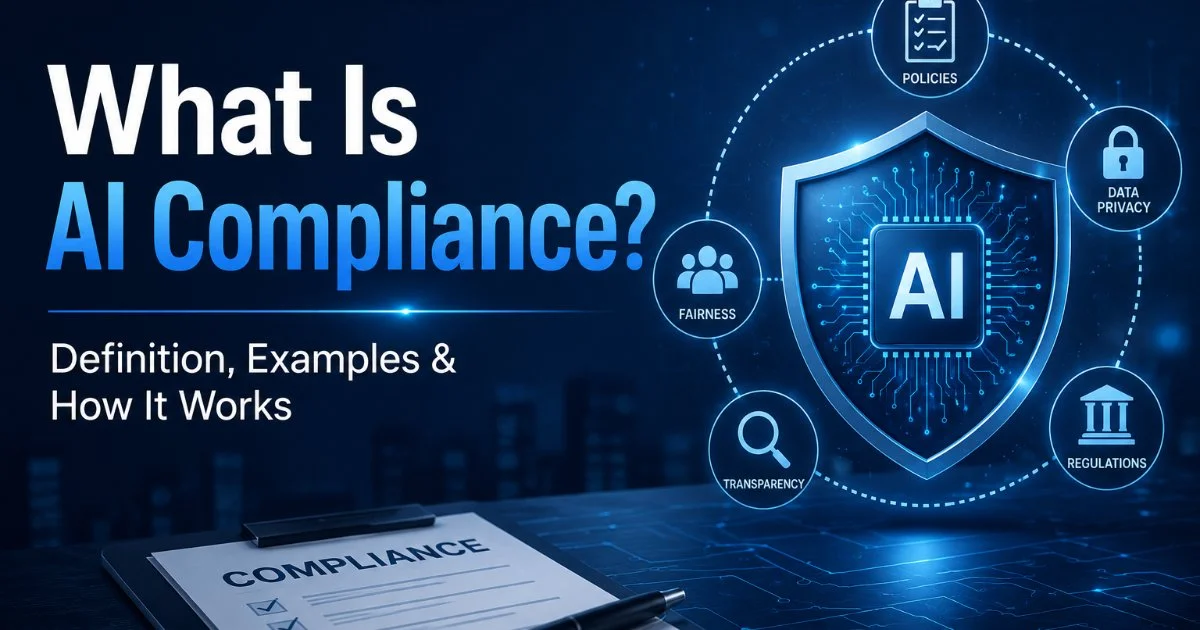
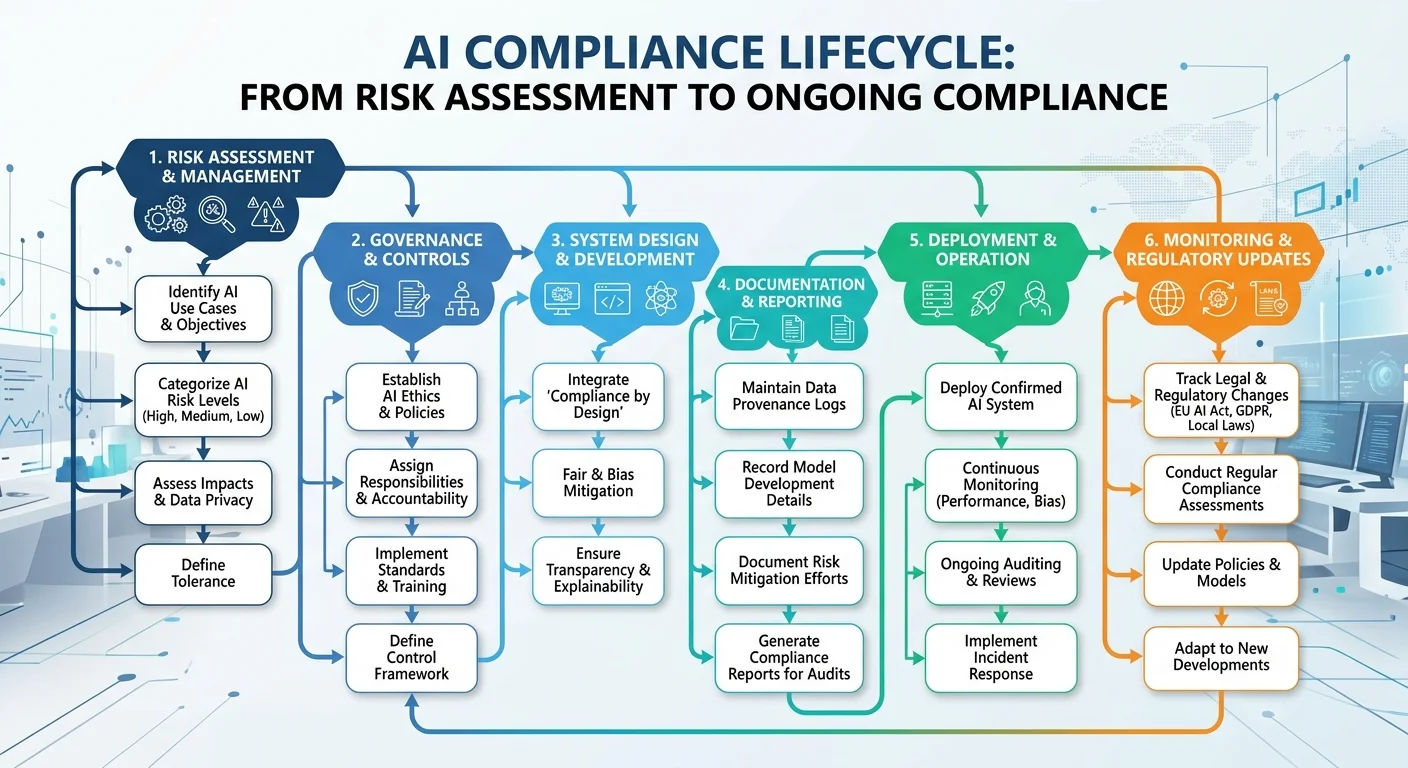
AI compliance refers to the systematic process of aligning artificial intelligence systems with applicable laws, ethical standards, industry regulations, and internal organizational policies throughout the entire project lifecycle. For AI project managers and compliance officers, understanding this concept is no longer optional.
As governments worldwide introduce new frameworks targeting algorithmic transparency, data protection, and risk management, the pressure to build compliant AI systems has intensified sharply. The European Union's AI Act, sector-specific FDA guidance, and evolving state-level legislation in the United States are just a few examples of the shifting landscape.
Failure to meet these requirements can result in significant fines, reputational damage, and operational disruptions. This article breaks down what AI compliance actually involves, from risk categories and documentation to policy requirements and recent regulation changes, giving you a practical foundation for building safer AI projects.
Key Takeaways
- AI compliance means aligning AI systems with all applicable laws, ethics, and organizational policies.
- Risk categories determine the level of regulatory scrutiny your AI project will face.
- Thorough documentation is a legal requirement under most emerging AI frameworks worldwide.
- Policy requirements vary significantly across jurisdictions, industries, and use cases.
- Regulation changes are accelerating, so compliance strategies need continuous updates and monitoring.
How AI Compliance Works
Risk-Based Classification
At the core of modern AI compliance frameworks sits a risk-based approach. The EU AI Act, for instance, classifies AI systems into four tiers: unacceptable risk, high risk, limited risk, and minimal risk. Each tier carries different obligations. An AI system used for social scoring would be banned outright under the unacceptable tier, while a recruitment algorithm falls into the high-risk category and faces strict transparency and testing requirements.
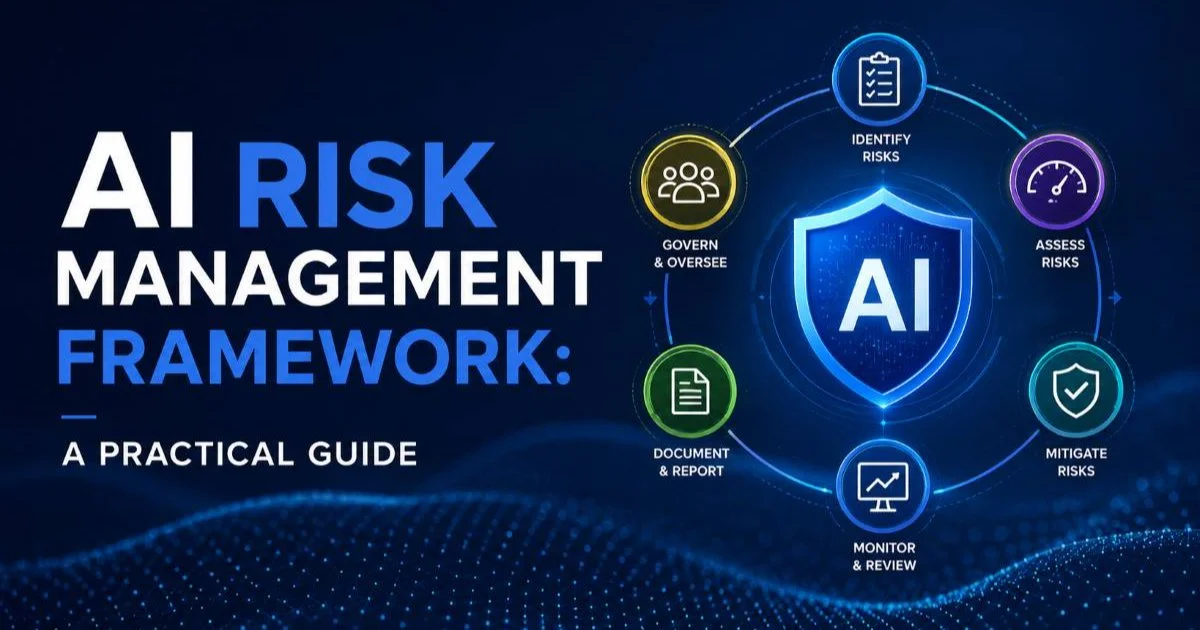
Understanding ai risk categories helps project managers allocate resources properly. A chatbot answering general customer questions sits in the minimal-risk tier and requires far less regulatory overhead than a medical diagnostic tool. Getting this classification right at the start of your project prevents costly rework later. Many teams make the mistake of assuming their system is low-risk without conducting a formal assessment, which is where compliance gaps begin to form.
Documentation and Record-Keeping
Proper documentation is one of the most concrete ai documentation needs that compliance officers face daily. Regulatory bodies expect detailed records of training data provenance, model architecture decisions, testing protocols, bias evaluations, and deployment logs. The EU AI Act mandates technical documentation that demonstrates conformity with essential requirements before a high-risk system enters the market.
Beyond regulatory mandates, documentation serves practical purposes. When a model produces an unexpected output in production, having clear records of training data composition and evaluation metrics lets teams diagnose problems faster. Think of documentation as both a legal shield and an operational tool. Using AI-powered compliance tools can help automate parts of this documentation process, reducing manual burden while maintaining accuracy across large project portfolios.
Create a standardized documentation template at project kickoff that covers data lineage, model cards, and evaluation reports.
| Risk Category | Example Systems | Key Obligations | Documentation Level |
|---|---|---|---|
| Unacceptable | Social scoring, manipulative AI | Prohibited entirely | N/A (banned) |
| High Risk | Medical devices, hiring tools, biometric ID | Conformity assessments, human oversight, bias testing | Comprehensive |
| Limited Risk | Chatbots, emotion detection | Transparency obligations (inform users) | Moderate |
| Minimal Risk | Spam filters, video game AI | Voluntary codes of conduct | Basic or optional |
Why AI Compliance Matters for Your Projects
Financial and Legal Consequences
The financial stakes of non-compliance are substantial and growing. Under the EU AI Act, fines can reach up to 35 million euros or 7% of global annual turnover for the most severe violations. GDPR violations related to AI data processing have already resulted in massive penalties across Europe. Understanding how GDPR fines work gives compliance officers a realistic view of the financial exposure they face when AI projects mishandle personal data.
Beyond fines, there are litigation risks. Individuals affected by automated decision-making increasingly have legal standing to challenge those decisions. In the United States, the FTC has taken enforcement actions against companies deploying deceptive or biased AI systems. Italy's temporary ban on ChatGPT in 2023 demonstrated that regulators are willing to act decisively, even against high-profile products, when compliance gaps surface.
Trust and Competitive Advantage
AI compliance is not purely a cost center. Organizations that demonstrate strong governance practices build trust with customers, partners, and regulators. A 2023 IBM survey found that 67% of consumers expressed concern about how businesses use AI with their data. Companies that can point to transparent compliance programs gain a measurable edge in customer retention and enterprise sales cycles where procurement teams now routinely ask about AI governance practices.
For AI project managers, framing compliance as a value driver rather than a bureaucratic hurdle changes the conversation at the leadership level. When you can show that robust compliance reduces rework, prevents costly recalls of biased models, and opens doors to regulated markets like healthcare and finance, budget allocation for compliance activities becomes easier to justify. The ROI is real, even if it shows up as avoided losses rather than direct revenue.
"Organizations that treat compliance as a strategic advantage rather than a checkbox exercise consistently outperform their peers in regulated markets."
Common Misconceptions About AI Compliance
Myth: Compliance Is a One-Time Effort
One of the most dangerous misconceptions is treating AI compliance as a one-time checkbox during development. In reality, compliance is a continuous process that extends through deployment, monitoring, and retirement of AI systems. Models drift over time as input data distributions shift, which means a system that was compliant at launch may develop biases or accuracy problems months later. Ongoing monitoring and periodic re-evaluation are not optional extras; they are requirements under most frameworks.
The EU AI Act explicitly requires post-market monitoring for high-risk systems. This mirrors how the FDA handles medical devices, with reporting obligations for adverse events and performance degradation. Project managers should build compliance checkpoints into their operational workflows, not just their development sprints. Quarterly bias audits, annual risk reassessments, and real-time performance dashboards are becoming standard practice for mature AI teams.
Treating compliance as a development-phase-only activity exposes your organization to regulatory penalties and model failures post-deployment.
Myth: Only Large Enterprises Need to Worry
Another persistent myth is that AI regulation only affects large technology companies. The EU AI Act applies based on the risk level of the system, not the size of the company deploying it. A ten-person startup building a high-risk AI application for credit scoring faces the same conformity assessment obligations as a multinational bank. Small and medium enterprises may qualify for some regulatory sandboxes and support measures, but the core obligations remain.
This misconception leads smaller organizations to postpone compliance planning until it becomes an emergency. By that point, retrofitting compliance into an existing system is far more expensive than building it in from the start. The ai policy requirements under emerging frameworks are designed to be proportional, but proportional does not mean absent. Every organization deploying AI in regulated contexts needs a compliance strategy tailored to its specific risk profile and operational scale.
Regulatory sandboxes in the EU allow SMEs to test AI innovations under supervised conditions, but participation still requires baseline compliance documentation.
Related Concepts and Recent Regulation Changes
AI Governance and Policy Frameworks
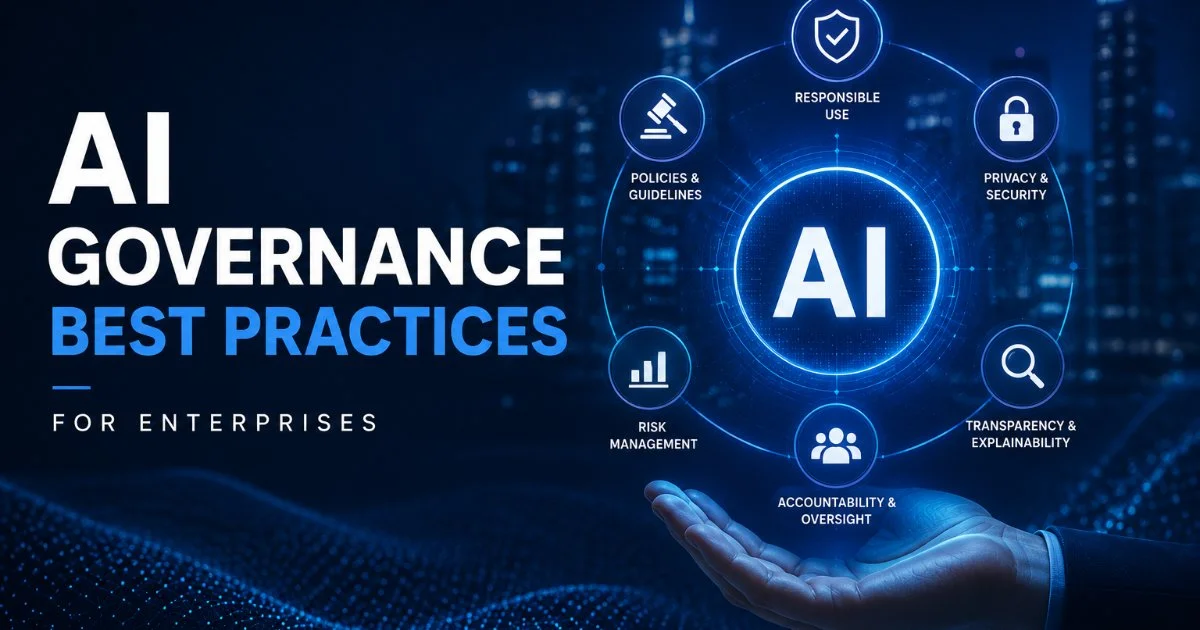
AI compliance sits within the broader discipline of ai governance, which encompasses the organizational structures, roles, processes, and accountability mechanisms that guide how AI is developed and used. While compliance focuses specifically on meeting external regulatory requirements, governance addresses internal standards, ethical principles, and strategic alignment. Strong governance frameworks make compliance easier to achieve because they provide the organizational infrastructure for consistent decision-making. Best practices in AI governance recommend establishing clear ownership, cross-functional review boards, and escalation paths for ethical concerns.
Policy frameworks at the organizational level translate external regulations into actionable internal standards. A well-crafted AI policy should address data handling procedures, model validation requirements, human oversight protocols, and incident response plans. These policies should be living documents, reviewed and updated as regulations evolve. Many organizations create tiered policy structures, with an overarching AI ethics policy supported by specific procedural documents for different business units or use cases.
Tracking Regulation Changes
The pace of ai regulation changes over the past two years has been remarkable. The EU AI Act moved from proposal to provisional agreement in roughly three years. China implemented its algorithmic recommendation regulations in 2022, followed by rules on generative AI in 2023. The U.S. issued a sweeping executive order on AI safety in October 2023, while Canada's Artificial Intelligence and Data Act continues its legislative journey. Each of these frameworks introduces distinct requirements that multinational organizations must reconcile.
For compliance officers, tracking these changes requires dedicated processes. Subscribe to regulatory update services, participate in industry working groups, and maintain a regulatory mapping document that connects specific legal requirements to your AI systems. The cost of being caught off guard by a new regulation far exceeds the investment in proactive monitoring. AI compliance is fundamentally a moving target, and the organizations that stay ahead of the curve are those that treat regulatory intelligence as a core operational function rather than an afterthought.
Assign a regulatory intelligence owner on your team who reviews AI policy changes monthly and flags impacts to active projects.
Frequently Asked Questions
?How do I formally assess which EU AI Act risk tier my system falls into?
?How does AI governance differ from AI compliance in practice?
?How long does building compliant AI documentation actually take on a project?
?Is assuming your AI tool is low-risk without a formal review a real compliance gap?
Final Thoughts
AI compliance is a multifaceted discipline that spans risk classification, documentation, policy development, and continuous regulatory monitoring. For AI project managers and compliance officers, the work starts at project inception and never truly ends. The frameworks are still evolving, but the direction is clear: greater transparency, stronger accountability, and more rigorous testing are now baseline expectations.
Building these practices into your team's DNA today will save you from painful and expensive corrections tomorrow. The safest AI projects are the ones built with compliance as a core design principle, not a last-minute add-on.
Disclaimer: Portions of this content may have been generated using AI tools to enhance clarity and brevity. While reviewed by a human, independent verification is encouraged.